One-Point Perspective Posters
Art 1
Students learned about the history and purpose of one-point perspective and practiced using vanishing points, orthogonals, and transversals to transform 2D shapes into 3D forms. They explored watercolor techniques, such as washes and gradients, to enhance their artwork. By applying a range of values with colored pencils, students strengthened the sense of dimension in their final pieces.
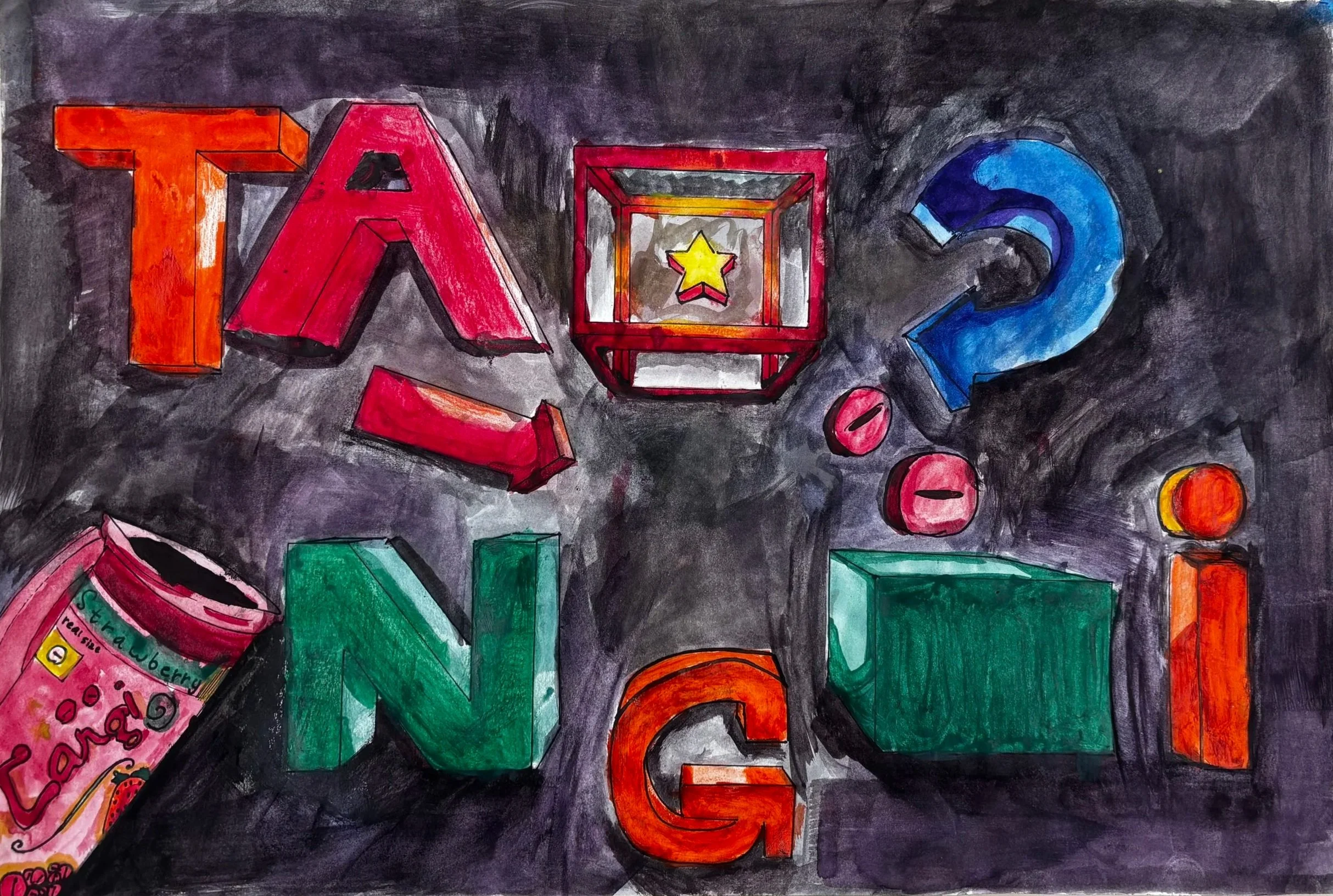
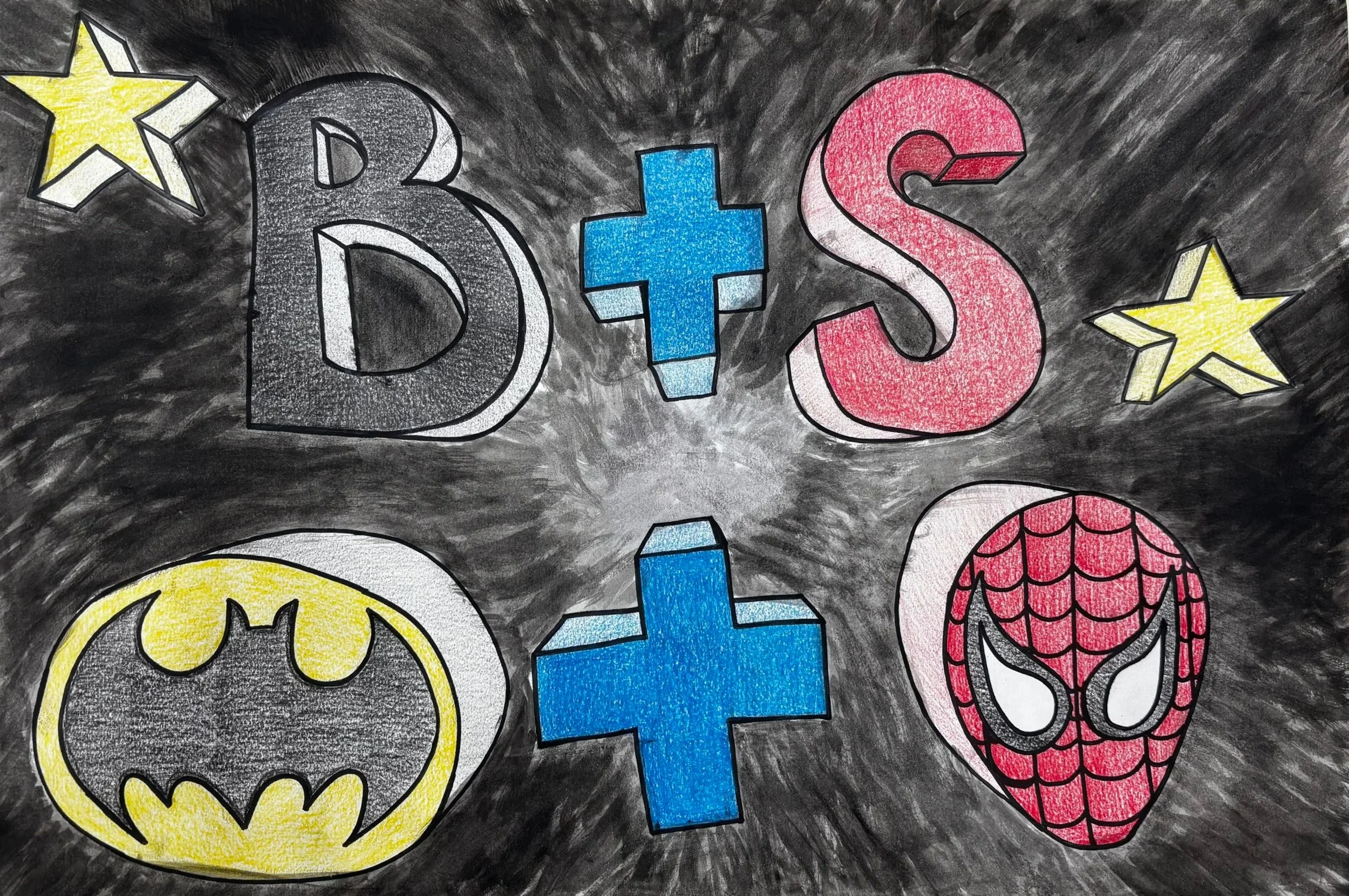
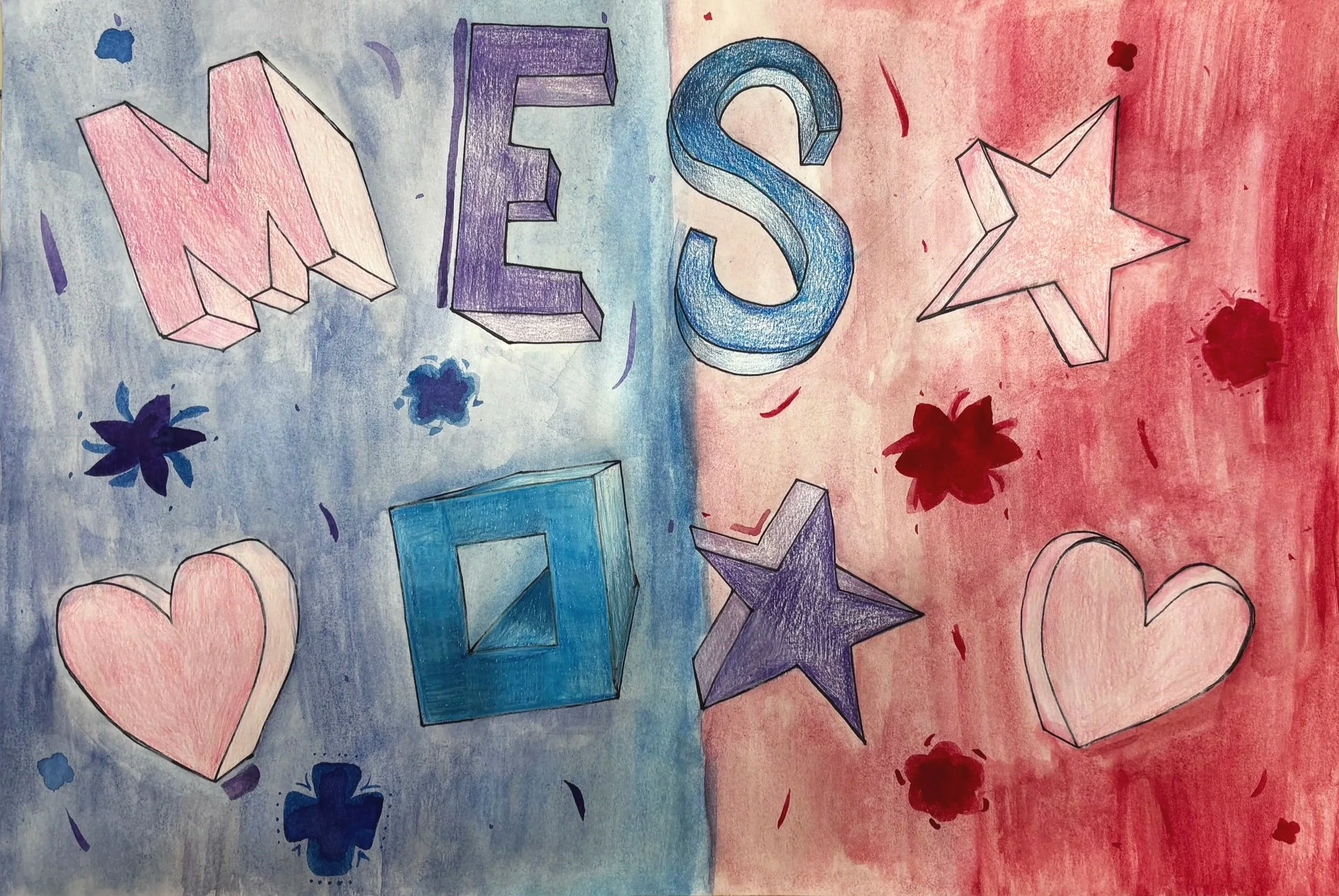
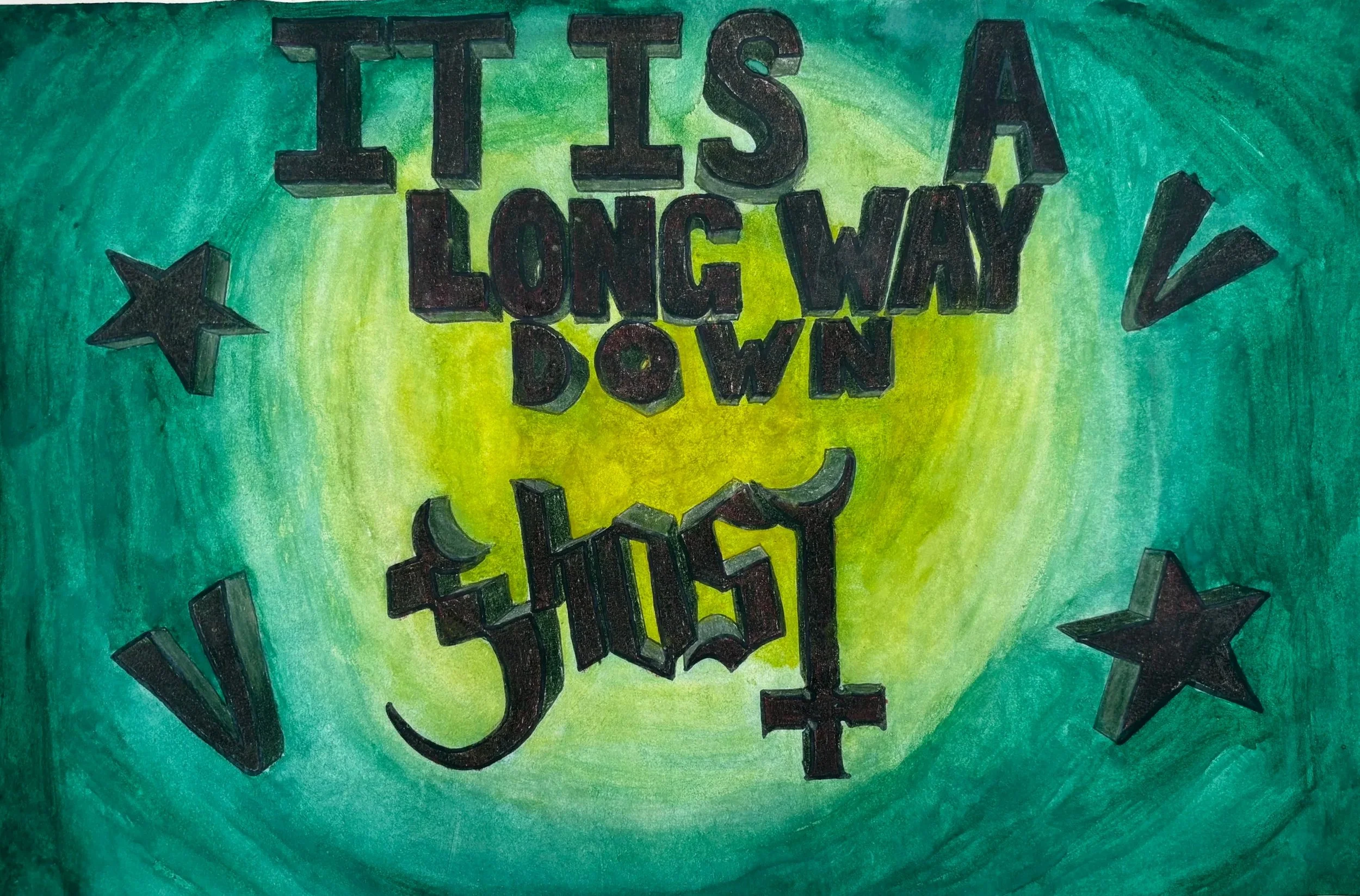
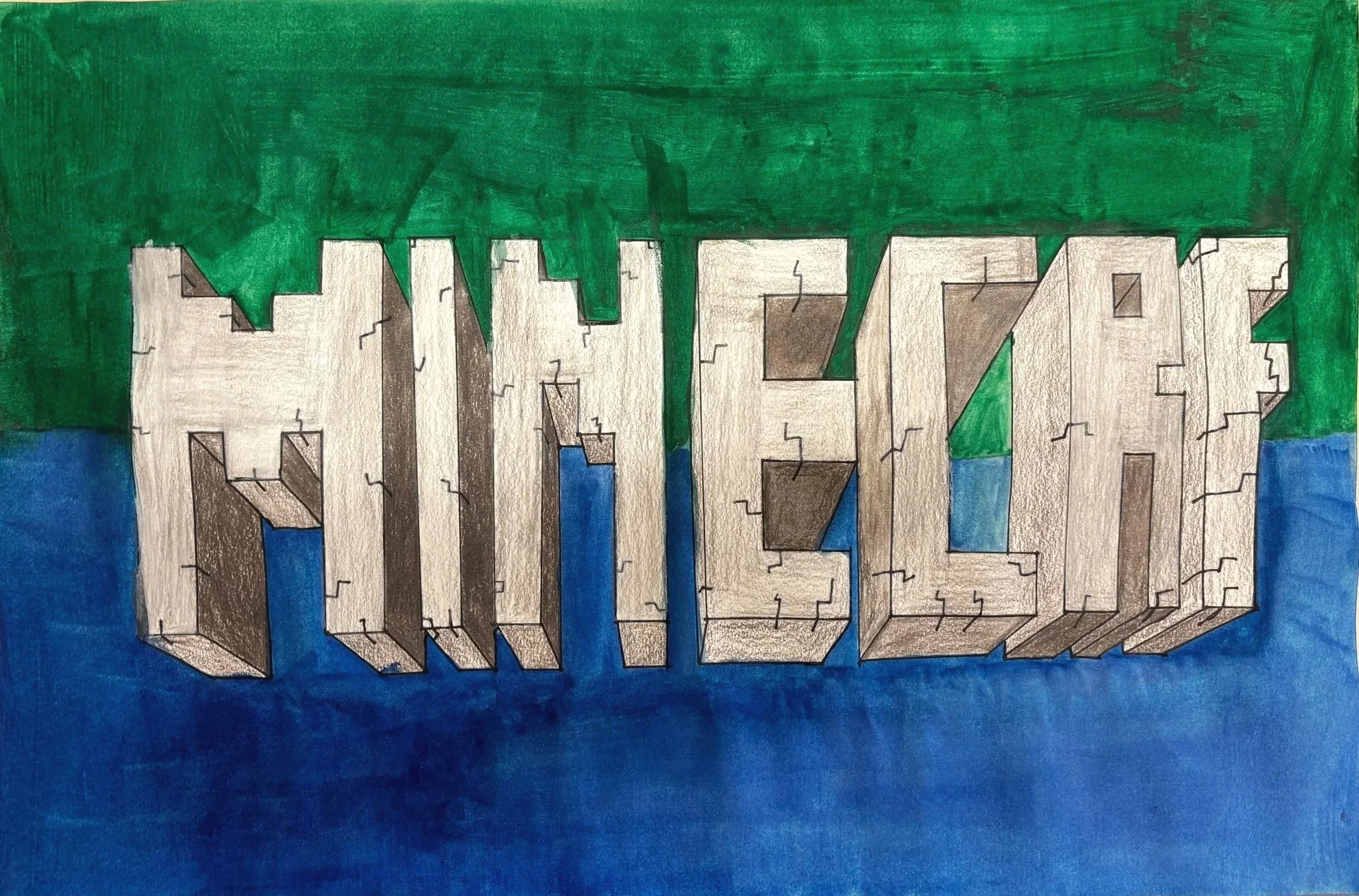
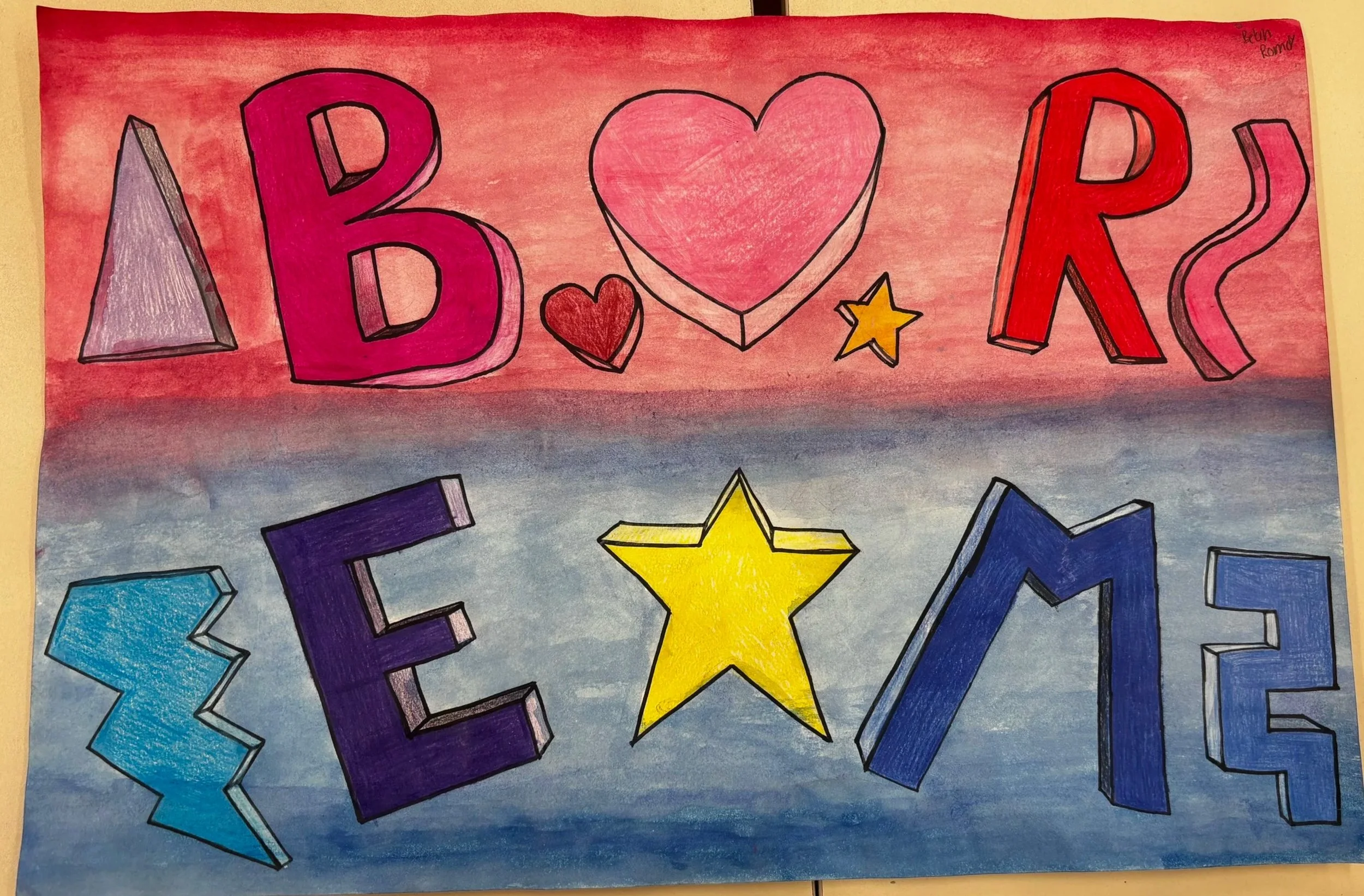
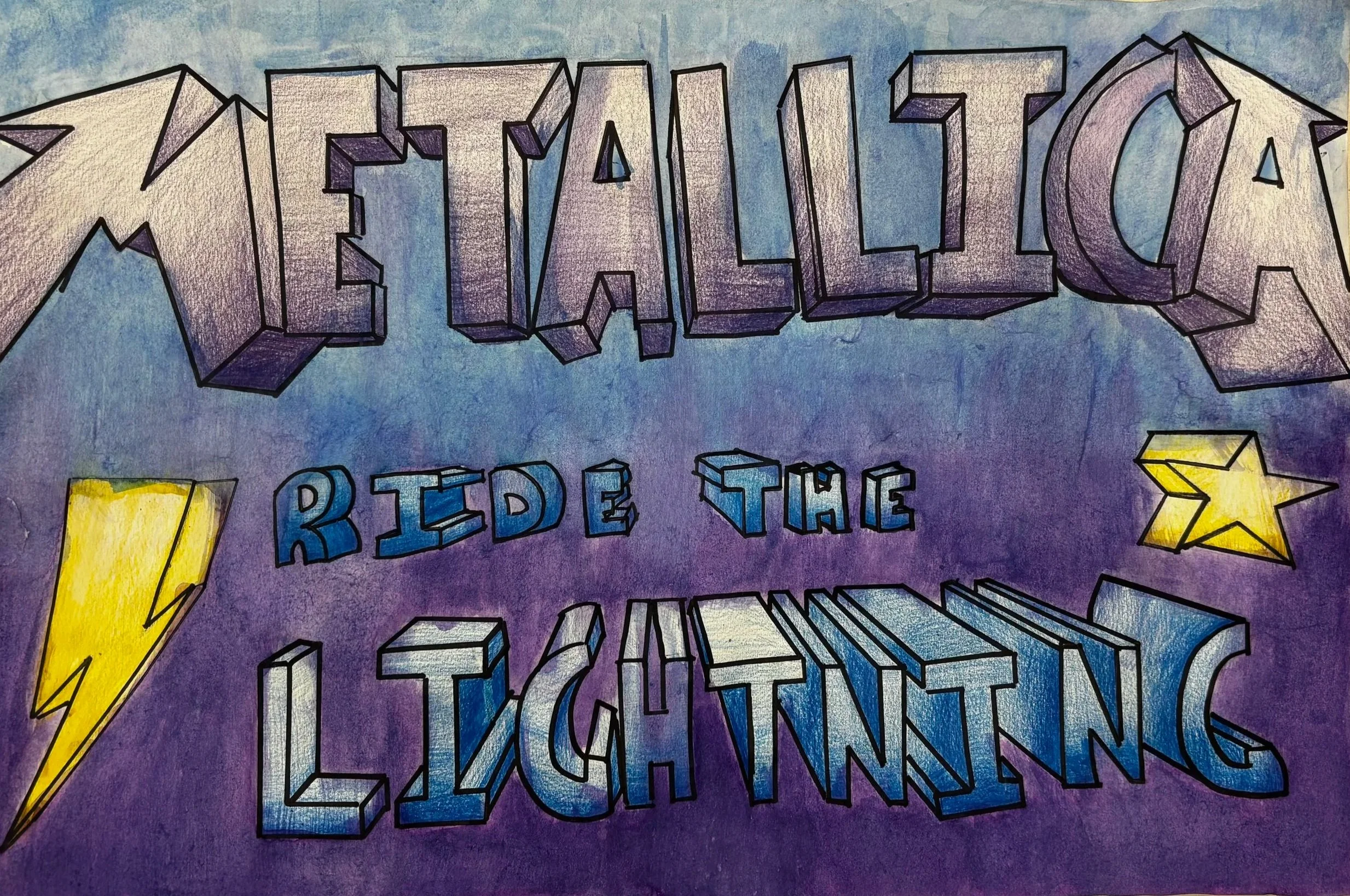
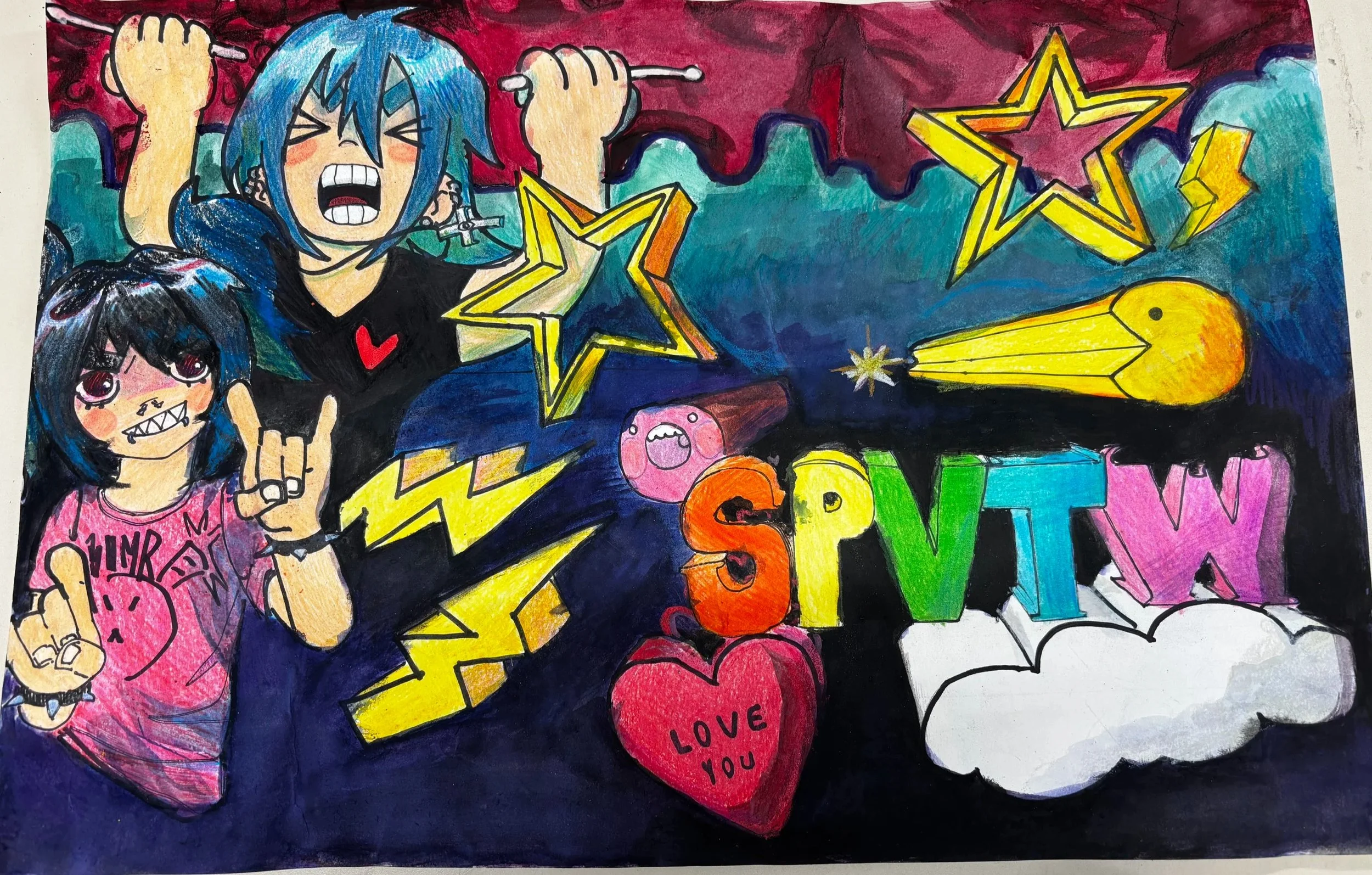
1(B) identify and understand the elements of art, including line, shape, color, texture, form, space, and value, as the fundamentals of art in personal artwork;
1(A) consider concepts and ideas from direct observation, original sources, experiences, and imagination for original artwork
Standards/TEKS
Materials
#2 Pencil or Mechanical Pencil
Sharpie Fine Permanent Marker
Erasers
12-Count Crayola Colored Pencils Packs
12-Inch Rulers
9x12 sheets of watercolor paper
Plastic Water Cups
Prang or Crayola 8 Color Watercolor Pan Set
Watercolor brushes
Essential Questions
What different types of artists use linear perspective?
Why do artists use linear perspective?
Ideas, Real Impact.
4(F) demonstrate effective use of art media and tools in drawing, painting, printmaking, sculpture, ceramics, fiber art, design, and digital art and media.
One-Point Perspective Peardeck

Lesson Worksheets

1 Point Handout Sheets by Student Art Guide
